

Ending Chronic Discomfort: Restoring Tear Film Stability Before Seasonal Weather Shifts in Kewanee and Peoria, IL
Persistent ocular burning, redness, and fluctuating vision often signal an underlying tear film breakdown rather than simple dryness. Illinois Vision Clinic utilizes advanced diagnostic testing to identify the root causes of ocular surface disease and deliver targeted therapies that restore long-term comfort and protective tear stability before the autumnal weather changes.
Autumn breezes rolling past Peoria Riverfront Park frequently trigger burning sensations, excessive tearing, and gritty discomfort for residents. Many individuals rely on over-the-counter lubricating drops, unaware that these drops merely mask symptoms temporarily. Root causes of persistent ocular irritation often stem from Meibomian Gland Dysfunction (MGD), a clinical condition in which the tiny oil-producing glands in the eyelids become blocked or inflamed. Lacking a healthy protective lipid layer, natural tears evaporate rapidly into the dry air, exposing sensitive corneal nerves. Through advanced meibography, our clinicians visualize the gland architecture directly and customize restorative protocols to clear blockages and restore natural lubrication.
Analyzing Tear Dynamics and Lipid Layer Integrity
Healthy vision relies upon a balanced, multi-layered tear film consisting of mucin, aqueous moisture, and essential lipids. Evaluating tear film osmolality, which measures the concentration of salts and proteins in tears, provides direct clinical data on ocular surface stress. High salt concentration accelerates microscopic inflammation, damaging corneal epithelial cells and triggering chronic discomfort. Advanced diagnostic suites measure tear breakup time and lipid thickness with microscopic precision. Addressing underlying glandular stagnation through targeted thermal treatments and restorative therapies restores chemical balance, stabilizes vision, and protects the clear front window of the eye against seasonal environmental stress.
Ocular Surface Evaluation: Standard Eye Drops vs. Advanced Targeted Therapy
| Diagnostic / Therapeutic Marker | Standard Over-the-Counter Eye Drops | Advanced Targeted Tear Film Therapy |
| Primary Functional Outcome | Momentary moisture replenishment | Restores natural gland oil production |
| Root Cause Target | Masks superficial dryness symptoms | Treats underlying meibomian gland blockages |
| Diagnostic Precision | Generic symptom application | Measures tear osmolality and lipid structure |
| Comfort Duration | Requires frequent daily application | Provides long-term ocular surface stability |
Key Clinical Signs of Tear Film Instability
- Recurrent burning, stinging, or gritty sensation when working on digital devices or driving.
- Unexpected excess tearing caused by reflex moisture production in response to corneal dryness.
- Fluctuating vision that temporarily clears immediately after blinking your eyes.
- Redness along the eyelid margins indicating chronic meibomian gland inflammation.
Common Questions About Dry Eye Relief
Living with chronic dry eye can make routine daily activities frustratingly uncomfortable, especially as seasonal humidity drops across Illinois. Understanding the distinction between symptom management and clinical restoration allows patients to take control of their eye health. Our compassionate medical team provides personalized evaluations to guide every patient toward lasting relief.
Why do my eyes water constantly if they are clinically classified as dry?
Excessive tearing occurs as a reflex response when sensitive corneal nerves become irritated by rapid tear evaporation. Standard reflex tears consist mostly of water and lack the vital oil layer necessary to remain on the eye surface. Specialized thermal treatments restore natural oil flow so tears adhere properly and protect your eyes.
Can screen use during work hours worsen ocular surface irritation?
Blink rates drop by nearly 50% when staring at computer screens, preventing healthy tear distribution across the cornea. Patients working near the I-74 interchange in Peoria frequently experience intensified afternoon dryness due to prolonged digital strain. Simple office adjustments combined with clinical therapies maintain comfortable vision throughout demanding workdays.
How long do therapeutic results from targeted meibomian gland therapies last?
Most individuals experience dramatic improvements in comfort that endure for many months following clinical gland clearance. Periodic maintenance assessments along the Highway 78 corridor help sustain optimal oil flow and tear quality continuously. Consistent home maintenance routines recommended by our doctors preserve long-term treatment success.
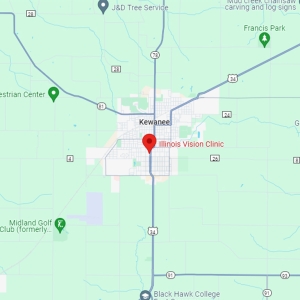
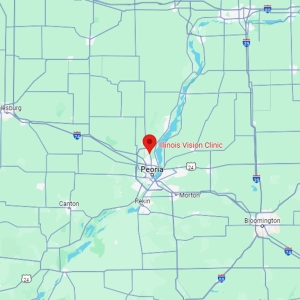
Schedule Your Dry Eye Consultation in Kewanee or Peoria
Reclaim daily ocular comfort before harsh autumn winds arrive in Central Illinois. Contact Dr. Kerry Howard, Head, OD, and Dr. Ivetta Daccache, OD, FAAO, at Illinois Vision Clinic today to schedule your comprehensive tear film evaluation.